The main role of a parent is to encourage and support their child. A tennis match is a highly stressful situation for a young person, as they must play and finish the match on their own without any outside assistance. This is because tennis rules in most cases do not allow coaching, meaning that even the coach cannot give any advice to the player during the match. The young player is therefore alone on the tennis court, and the only way to help them is to encourage them with brief words and gestures. There are many situations in a tennis match where the player experiences frustration, disappointment, and sometimes even anger. Unless they manage their emotions well, they will not perform at their best. The role of the parents is therefore to help their child manage their emotions by always being positive and encouraging, and by showing through their body language and facial expressions that they always believe in them.
The Different Roles of Coach and Parents
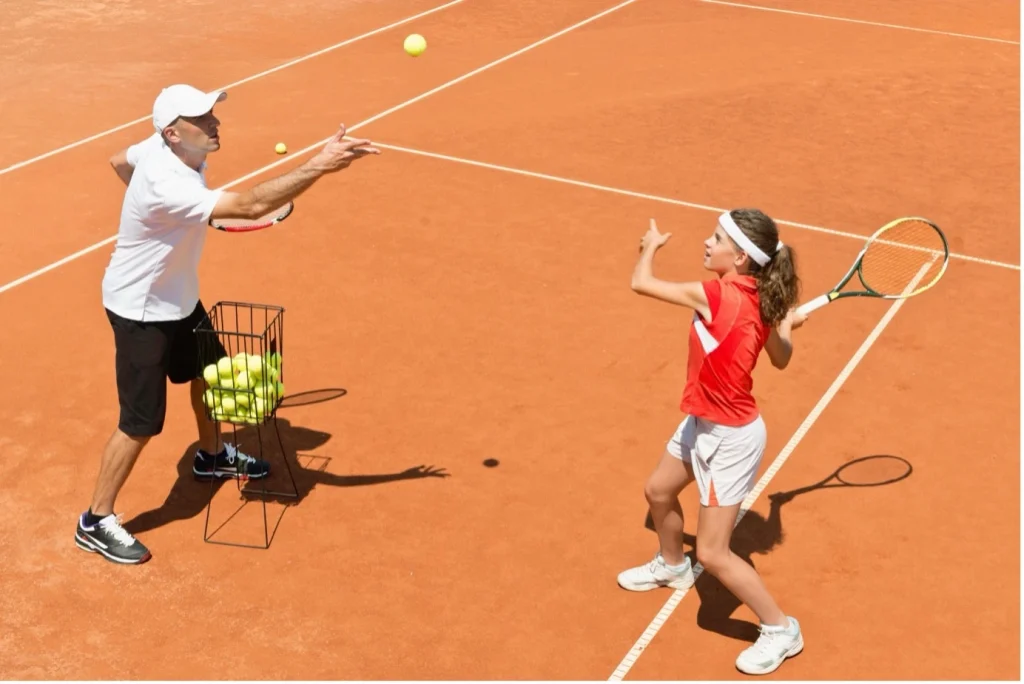
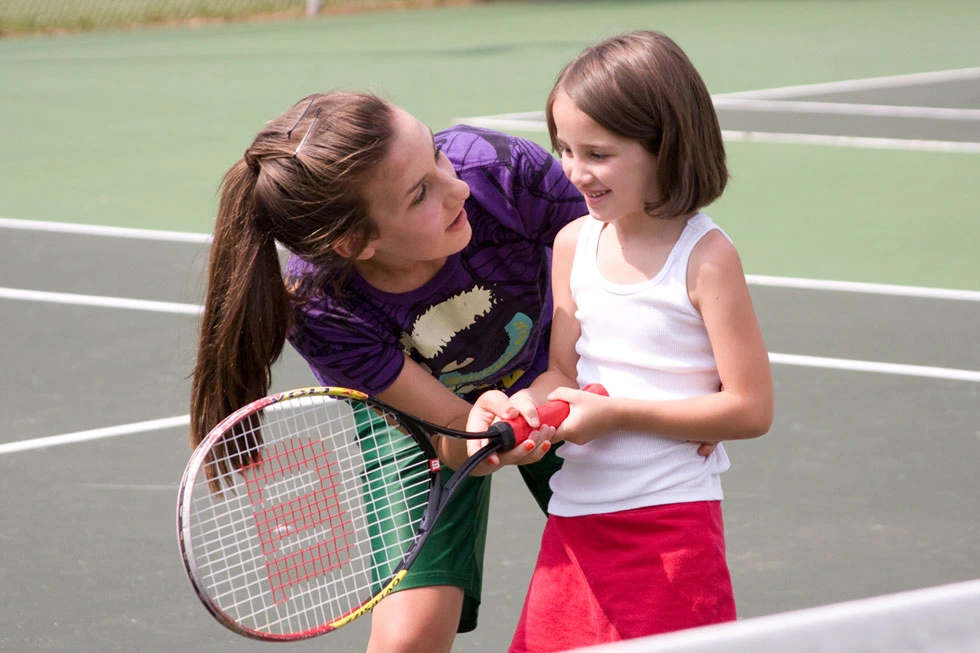
While the parent’s main role is emotional support during and between matches, the coach’s role is more complex. The coach needs to prepare the player mentally, tactically, and often physically before the match, and help the player maintain their ideal performance state during the match as much as possible. While coaching is officially not allowed during matches, it is undeniable that some level of coaching occurs at all levels of tennis competition, where the coach signals to the player through previously agreed signals on how to adjust their tactics or manage their activation state. The coach therefore acts as a mentor and expert who can help the player tactically and mentally deal with the upcoming match, whereas parents need to provide a safe haven for the player emotionally.
Best Practices for Tennis Parents at Tournaments
The supportive role of the parent begins with the journey to the tournament. The main goal of the parent is to reduce stress in the environment. That does not mean they should focus only on their child; in fact, they should also de-stress themselves. There are many elements we cannot control, such as traffic on the way to the tournament, the draw, the court on which the player has to play, the weather, or the surrounding noise at the tournament site. Parents should not obsess over or complain about things they cannot control, as their emotional state will undoubtedly transfer to their child, with whom they share a deep bond.
That deep bond means both parties share their emotions. Therefore, the child will feel what the parents feel, compounded by additional pressure and consequently anxiety from the upcoming match. Parents therefore need to compose themselves, and conversations with their child should be positive and encouraging.
During the match, parents should be very aware of their body language, as their child will pick up on their emotional state simply by reading their body language from afar and knowing exactly what their parents are thinking. Crossed arms and legs are obvious and common signs of being displeased or in a bad mood, and those signals definitely do not help the player overcome their own mental challenges on the court.
Parents should sit or stand in a relaxed and comfortable position, remain calm, and always encourage the player, especially when they make mistakes. Parents should not lean on the fence and be too close, but also not so far away that their encouragement cannot be heard or seen. They should be 5 to 15 metres away from the court so that their child can still read their body language and facial expressions, unless the parent feels they cannot control their emotions, in which case they should leave the court area until they can regain composure.
The Objectivity Problem and How to Deal with It
Because the child is the sole focus of the parent for so many years, and because parents feel what the child feels while playing the match, it is impossible for the parent to objectively assess and analyse their child’s performance simply by watching the match. The parents’ perception is skewed because of their loving feelings for the child, which results in judging mistakes too harshly, not praising (or overpraising) good shots enough, or thinking that missing easy sitters happens only to their child.
The best way to minimise subjectivity is to record match statistics using a smartphone app or a sheet of paper. Documenting the match provides a factual account of winners, unforced errors, and other statistics, helping both parent and player view the performance as it occurred, rather than through subjective or emotional perspectives.
Focusing on notation or match charting distracts the parent from the emotional aspects of the match and engages the logical and analytical parts of the brain, enabling them to project a calmer and more relaxed demeanour – precisely what their child needs to see during the ups and downs of the match.
In summary, parents should provide a safe haven for their child when they are in the highly stressful environment of a tournament or in the middle of a match. As a child can easily detect their parent’s feelings through body language and facial expressions, the parent must control their emotions and what they project to their child. An effective way to emotionally disengage from their child’s match is to chart the match using one of the popular smartphone apps for tennis match notation. Focusing on recording match statistics helps the parent remain calmer during the match and, consequently, assess their child’s performance afterwards based on facts rather than emotions.